
Tubular Mesh Bags: Formats, Specs and How to Choose
Tubular mesh bags for produce packing — how pre-cut Raschel bags and bags on a roll differ, how to read K36–K50 tube netting specs, and what to send a supplier.
August 16, 2026
Mesh packaging is the default for onions, garlic, potatoes and citrus for one reason: those crops rot when they cannot breathe. A tubular mesh bag holds the fill weight while leaving the produce ventilated and visible.
This guide covers the two formats these bags ship in, how to read the specification tables, and what a supplier needs from you to quote accurately.
One note on terminology first: in packaging, "tubular" refers to the knitted HDPE tube the bag is formed from. It is unrelated to tubular bandage, which is a medical product sold under the same word.
What tubular mesh bags are
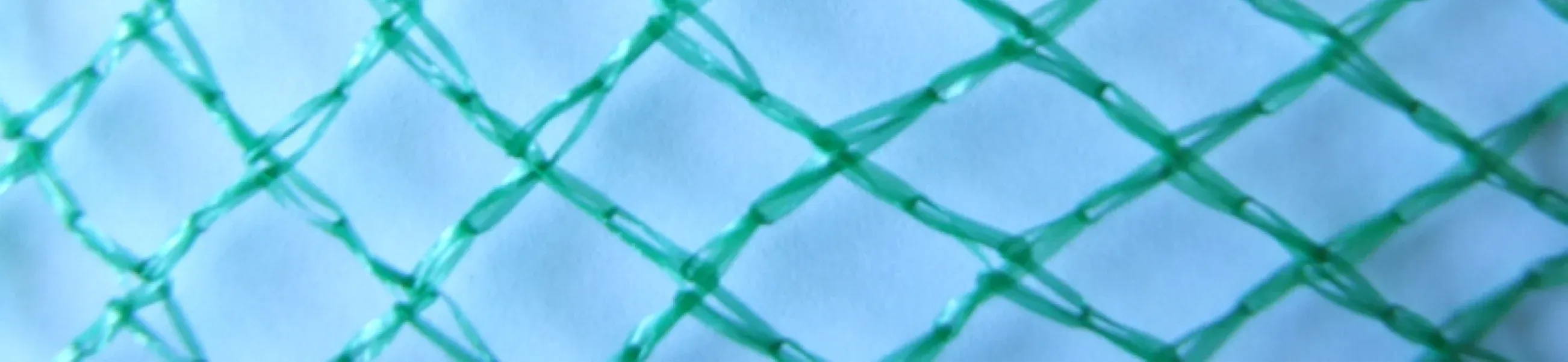
A tubular mesh bag starts as tube netting — a continuous knitted tube of high-density polyethylene, extruded and knitted rather than woven. The tube is cut to length and closed at one end to make a bag.
HDPE is the material of choice because it holds tear resistance at very low weight. A 60cm x 100cm bag weighs 48g and carries 50kg. That ratio is what makes mesh viable for produce at scale: almost no packaging weight per kilogram shipped, and no barrier trapping moisture against the crop.
Some buyers order the tube netting itself on a roll and form bags on their own equipment. Most order finished bags.
Pre-cut bags or bags on a roll
This is the decision that matters most, and it follows your packing line rather than your product.
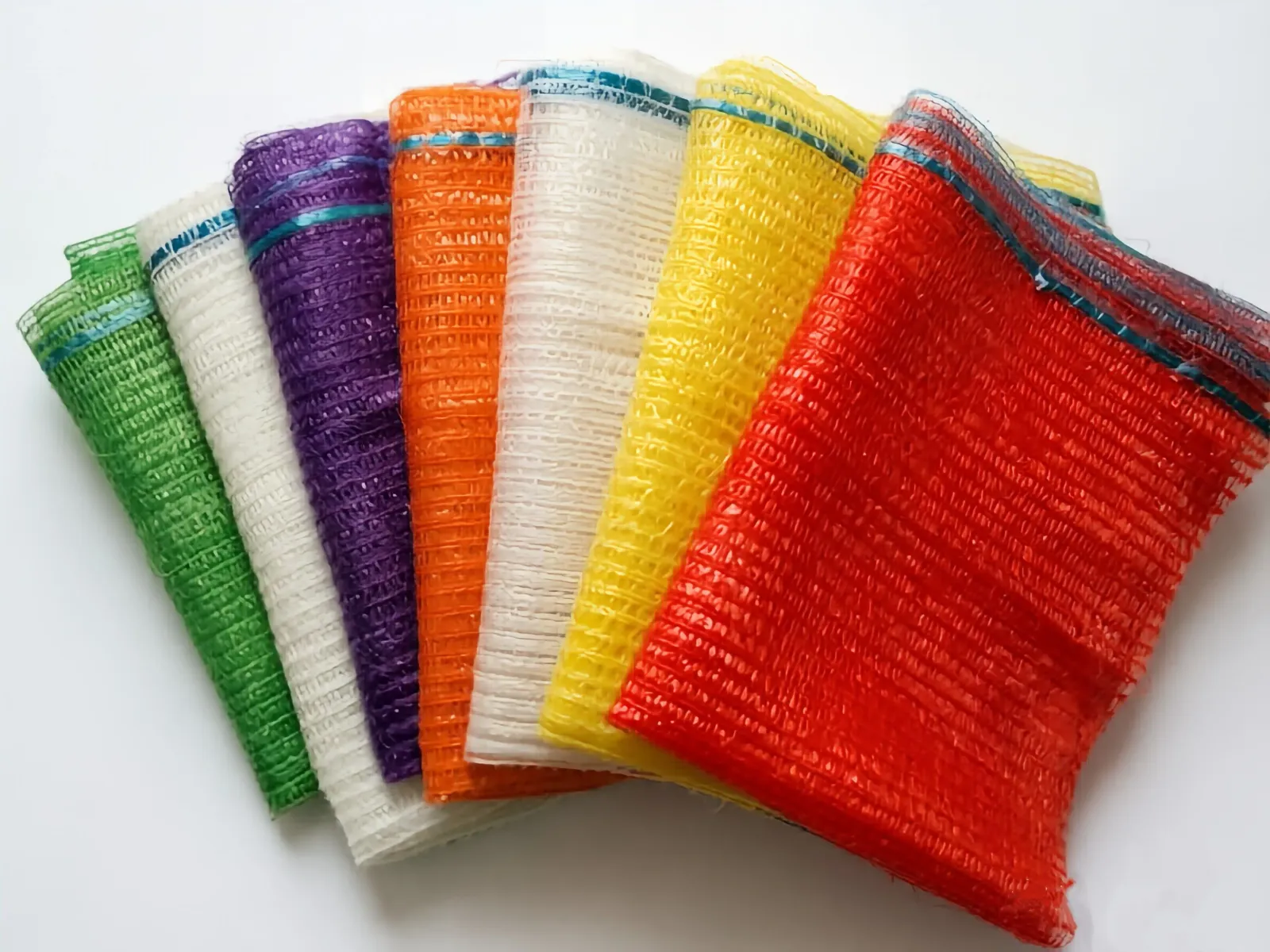
Single Raschel bags are individually pre-cut and ready to fill. They suit manual packing, smaller runs and operations packing several products across the same station. Sizes run 25cm x 39cm to 60cm x 100cm, carrying 2.5kg to 50kg.
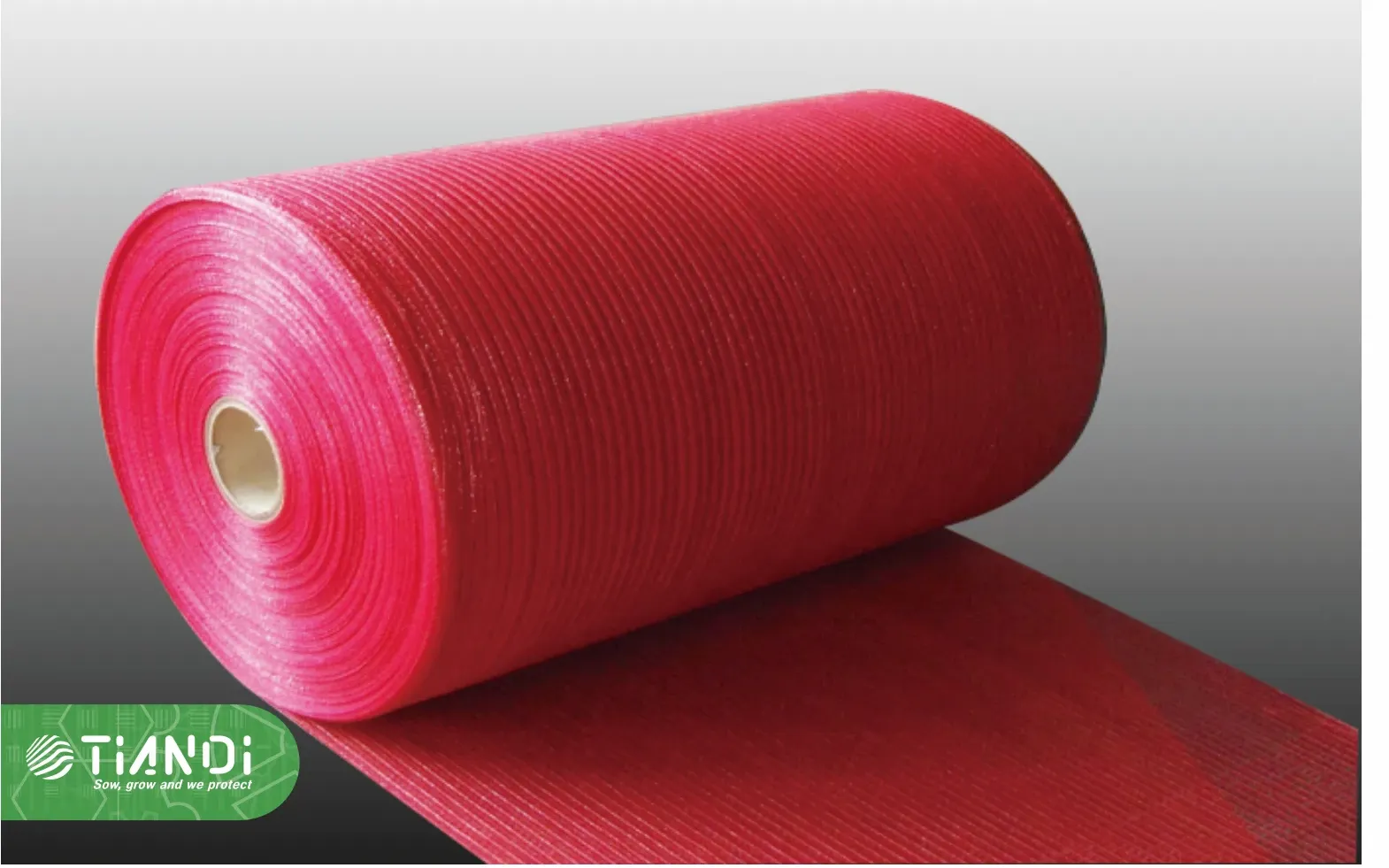
Raschel bags on a roll feed continuously into automatic bagging machines, at 2,000 to 4,000 bags per roll. Sizes run 31cm x 39cm to 54cm x 78cm across the same 2.5kg to 50kg range. If you run an automatic line, this is the format — pre-cut bags cannot be fed by machine.
Reading the tube netting specs
Tube netting is quoted by a K number. The figures below are the standard range:
| Size | Diameter | Mesh | Needle | Weight |
|---|---|---|---|---|
| K36 | 36–38cm | 30 | 60 | 4.5g/m |
| K38 | 38–42cm | 46 | 92 | 6g/m |
| K40 | 40–45cm | 40 | 80 | 5g/m |
| K42 | 42–48cm | 50 | 100 | 6g/m |
| K50 | 50–58cm | 52 | 104 | 6g/m |
Diameter sets the bag width. Mesh and needle count together set how open the weave is — a higher needle count gives a tighter mesh, which holds smaller produce like shallots or cherry tomatoes without them pushing through, at the cost of slightly more material per metre.
Weight per metre is the number to watch on cost. K36 at 4.5g/m against K42 at 6g/m is a 33% material difference on every bag you make.
Which produce suits mesh packing
Mesh works where the crop needs airflow and benefits from being seen:
- Onions, garlic, shallots — the classic application; airflow prevents sprouting and rot in storage
- Potatoes — mesh also lets light exposure be managed by bag colour
- Citrus — ventilation plus visible colour, which drives shelf appeal
- Firm vegetables such as cabbage, turnips and squash
Mesh is the wrong choice for soft fruit that bruises against the weave, anything needing a moisture barrier, and powders or small grains that pass through the openings.
Specifying with a supplier
To get an accurate quote, send four things: bag dimensions, target fill weight, colour, and whether you are filling by hand or by machine. Machine type matters most — roll format and bag count per roll have to match your bagger.
Size, diameter, mesh count, needle count, weight and colour are all customisable, so a non-standard requirement is not a problem provided it is specified up front. See the full tubular mesh bag range for current standard options, or send us your specification and we will confirm a quote and production schedule. Tiandi presented these formats at YugAgro 2025 in Krasnodar, alongside bale netwrap and pallet wrapping net.
Frequently Asked Questions
- What are tubular mesh bags used for?
- Tubular mesh bags pack and display fresh produce such as onions, garlic, potatoes and citrus. The open mesh keeps the crop ventilated through storage and transport while leaving it visible on the shelf, which is why mesh is preferred over solid film or paper for these categories.
- What is the difference between a tubular mesh bag and tube netting?
- Tube netting is the continuous knitted HDPE tube the bags are made from, specified by diameter, mesh and needle count. A tubular mesh bag is that tube cut and closed into a finished bag. Buyers who run their own bagging equipment often order tube netting on a roll rather than finished bags.
- Should I choose pre-cut bags or bags on a roll?
- Pre-cut single Raschel bags suit manual filling at the point of packing. Raschel bags on a roll feed directly into automatic bagging machines and carry 2,000 to 4,000 bags per roll, so they suit high-volume lines. The decision follows your packing line, not the product.
- What sizes and weight capacities are available?
- Single Raschel bags run from 25cm x 39cm up to 60cm x 100cm, with bearing capacities from 2.5kg to 50kg. Bags on a roll run from 31cm x 39cm up to 54cm x 78cm across the same 2.5kg to 50kg range. Tube netting is specified separately from K36 to K50.
- Can tubular mesh bags be customised?
- Yes. Size, diameter, mesh count, needle count, weight and colour can all be tailored to your packing line and product. Send your bag dimensions, target fill weight and machine type to get a specification and quote.